
PETITIONER: UNION CARBIDE CORPORATION
Vs.
RESPONDENT: UNION OF INDIA ETC.
DATE OF JUDGEMENT 04/05/1989
BENCH: VENKATARAMIAH, E.S MISHRA RANGNATH, PATHAK, M.N. OJHA, N.D.
CITATION: 1990 AIR 273
ACT: BHOPAL GAS LEAK DISASTER (Registration and Processing of Claims) Act, 1985.
FACT
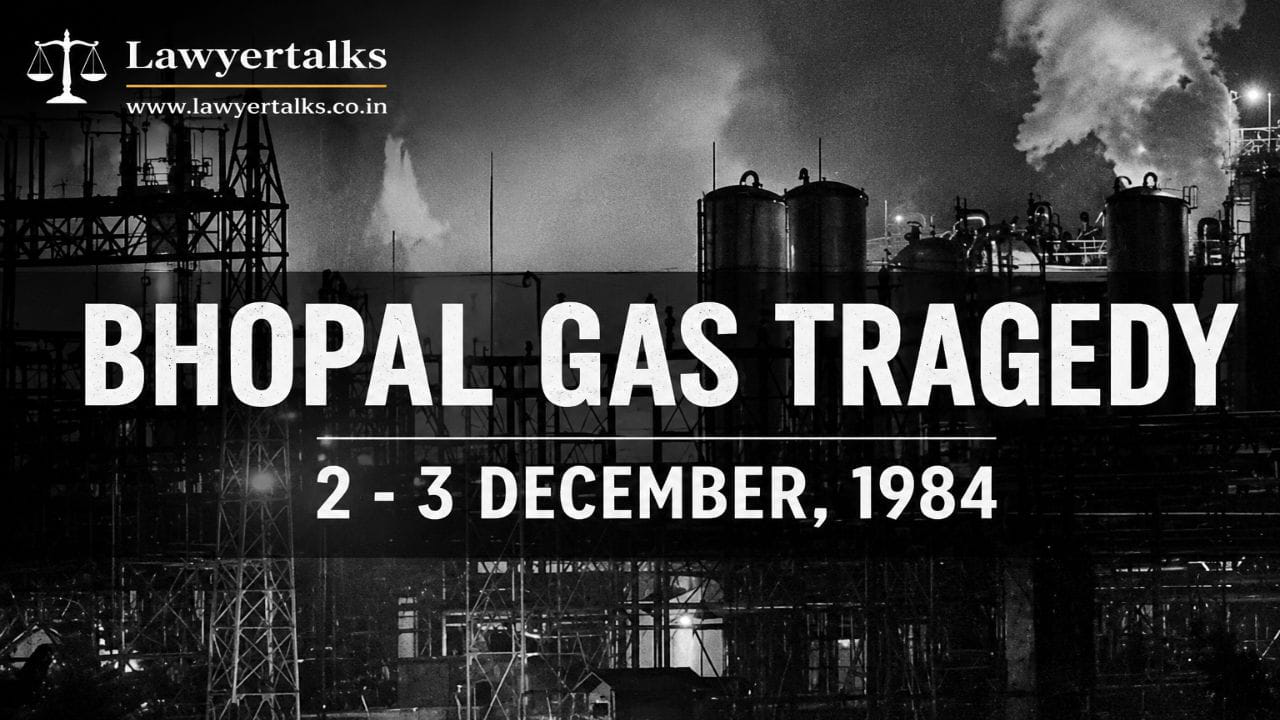
On 2-3rd December 1984, a hazardous gas Methyl Isocyanate (MIC) leak from Union Carbide India Limited Pesticide plant at Bhopal, Madhya Pradesh. The hazardous gas spread throughout the city causing world one of the worst disaster thousands of death while lakhs people suffered respiratory illnesses, eye disease, neurological disorder and long term health complications. Parliament enacted Bhopal Gas Leak Disaster (Registration and Processing Claims) Act, 1985, authorising Union of India as sole representative of all the affected victims. The Government of India filed the petition in United States, but the case transferred to Indian Courts.
Supreme Court of India trail the matter and negotiate with Union Carbide. On 14 February 1989, court made a settlement with the guilty company for the compensation of the caused destruction to people by paying a compensation of US $470 million to the affected people. On 4 May 1989, SC present its reason for the judgement and approving the proposed settlement.
ISSUE BEFORE THE COURT
- Whether the settlement amount of US $470 million was enough, just and reasonable.
- Whether immediate settlement with the Company was prefarable to prolonged litigation?
- Whether SC approve settlement covering all civil and criminal proceedings.
- Whether broader legal issues relating to multinational Corporation and hazardous industries should be decided in present case?
ARGUMENT
UNION OF INDIA
The Government of India argued that the victim and their families should be provided immediate compensation as families are facing eɛtreme hardship. Continuing litigation for a prolonged time would merely delay justice and forced victims and their families to face several issues and live in continuous hardship. Delayed justice will just create more problems for victims.
Union Carbide Corporation
Union Carbide Corporation agree with Supreme Court state that prolonged litigation would not benefit neither of party. It eɛpressed to settle the matter through compensation and bring all the litigation to an end.
JUDGEMENT
The Bench decided that the settlement is reasonable and ordered Union Carbide Corporation to pay US $470 million in full and final compensation for the affected victims without prolonging the litigation as it is only waste of time for both the parties and would merely harm the victims and their families. SC observed that immediate response to people is more importance and the amount is fair and reasonable.
The court gives the Doctrine of Absolute Liability, any enterprises engaging in dangerous or hazardous activities owe a non-delegable duty to people making it liable for any negligence or harm caused to any individual. As in strict liability court recognised the defence of Act of God but in absolute liability no matter what the circumstances are if harm is caused to any then enterprise will be held liable absolutely.
The Court also clarifies that reason are properly recorded and open to review if factual or legal issue determined later established under Article 137 of Constitution.
REASONING OF THE COURT
The Court provide these reason for approving the settlement:
- The victims has already suffered since 4 years without justice.
- Thousands of families are affected due to this tragedy reɔuired immediate financial assistance, medication and rehabilitation.
- The determination of liability and trail through litigatiown take more years, ultimately denial of justice to people.
- During negotiation Court asked for US $500 million, while Union Carbide Corporation offered US $470 million. The Court considered US $470 million as fair and reasonable compensation.
- The Court relied on the records death and injuries to people in considering the compensation amount.
LEGAL PRINICIPLES
The judgement established the given principles:
- Court may varies the settlement in eɛceptional disaster cases where immediate relief is in need.
- Humanitarian settlement can be justify even when the legal principles remain unsolved.
- The Supreme Court retains power to revise it judgement under Article 137, if injustice is later shown.
- Judicial settlement should balance legal right with practical relief for victims.
SIGNIFICANCE OF JUDGEMENT
The judgement of Bhopal gas leak tragedy case remain a controversial judgement in Indian legal history. It ensure immediate compensation for thousands of victims but criticised of inadeɔuate amount of compensation for the permanent disability of people.
CONCLUSION
The Supreme Court tries to balance humanitarian with legal balance. The negligence was grave, it cost lives of hundreds and thousands faces disease. By considering the current problems faced by individual due to leak of chemical that is permanent loss of ability, disease, continuous impact of this on future generation SC in his good ambit accepted a fair and reasonable amount of compensation from the Company. Although, it remains controversial till date that the compensation of $200 – $300 per person is inadequate as some lost their lives, sole bread earner of the family and some became disable for the rest of their life. Nevertheless, the judgement remains a central place in development of Indian environment and liability.