
In a heartbreaking turn of events, the death toll from the tragic train collision near Bilaspur, Chhattisgarh, has climbed to 11, leaving communities in mourning and sparking urgent calls for enhanced rail safety measures.
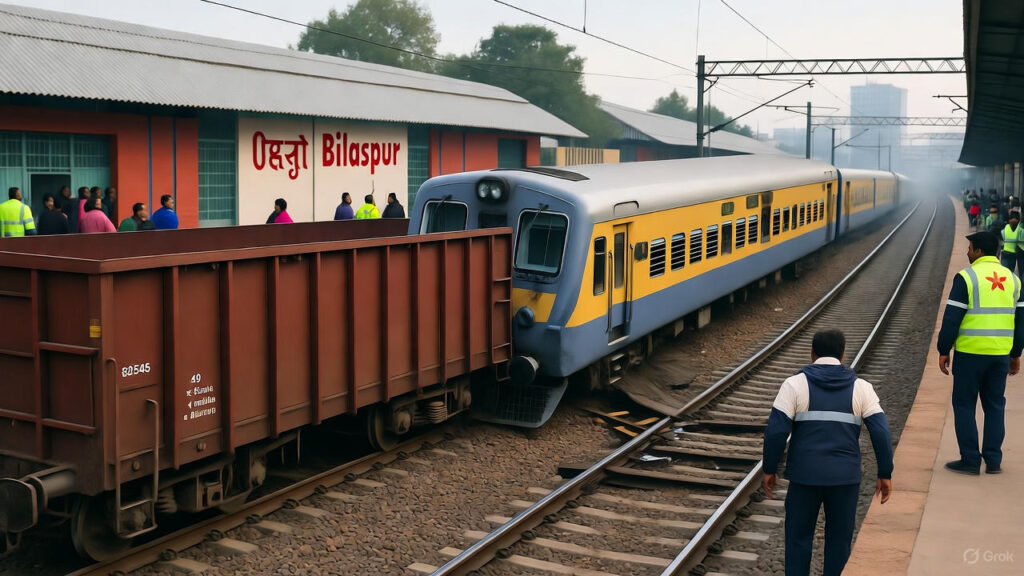
The incident, which unfolded on Tuesday, November 4, 2025, has prompted swift action from state authorities, including the announcement of ₹5 lakh ex gratia compensation for the families of those who lost their lives.
A Shocking Collision Near Bilaspur Railway Station
The accident occurred around 4 p.m. when a Motor Electric Multiple Unit (MEMU) passenger train, en route from Gevra in Korba district to Bilaspur, slammed into a stationary goods train from behind just a few kilometers from Bilaspur railway station. The impact was devastating—one coach of the passenger train was flung atop a wagon of the cargo rake, mangling metal and trapping passengers in a chaotic scene of wreckage and cries for help.
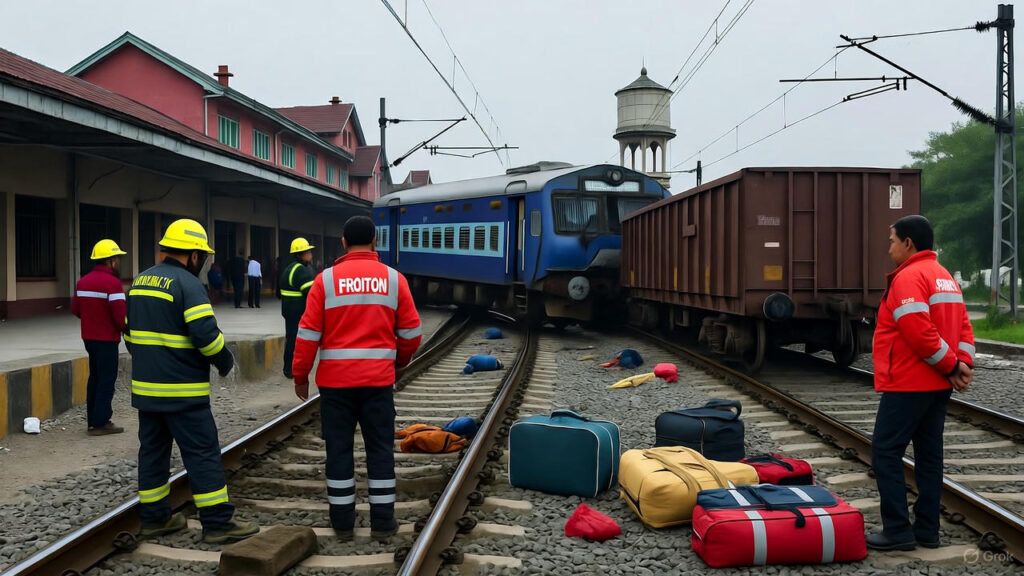
Eyewitnesses described a scene of pandemonium as rescue teams rushed to the site, battling twisted rails and debris to free those trapped. Preliminary investigations point to a possible signal failure or human error, with reports suggesting the passenger train breached a signal, leading to the rear-end collision. This stretch of track, part of the bustling South East Central Railway (SECR) zone headquartered in Bilaspur, sees heavy commuter traffic, making the mishap all the more alarming.
Mounting Casualties: 11 Lives Lost, Dozens Injured
What began as a routine journey home for many turned into a nightmare. As of Wednesday morning, November 5, 2025, the death toll stands at 11, with eight bodies—four women and four men—recovered initially, and three more confirmed overnight. Among the injured, at least 20 passengers are receiving medical attention, with one reported in critical condition. The wounded have been transported to nearby facilities, including Apollo Hospital and the Chhattisgarh Institute of Medical Sciences (CIMS) in Bilaspur, where doctors are working tirelessly to stabilize them.
Families of the victims are grappling with unimaginable grief, many arriving at the accident site in search of loved ones. Local authorities have set up helpline numbers and counseling services to support those affected, underscoring the human cost behind the headlines.
Government Steps In: Compensation and Relief Measures
In response to the tragedy, Chhattisgarh Chief Minister Vishnu Deo Sai has announced immediate relief packages to aid the bereaved and injured. Each family of the deceased will receive ₹5 lakh as ex gratia, while those with injuries are eligible for ₹50,000. “Our thoughts are with the families during this difficult time. The state government is committed to providing all necessary support,” the Chief Minister stated, emphasizing rapid rescue and rehabilitation efforts.
Complementing the state aid, Indian Railways has also stepped up with its own compensation scheme: ₹10 lakh for the kin of the deceased, ₹5 lakh for seriously injured passengers, and ₹1 lakh for those with minor injuries. Train services, briefly disrupted, have resumed at the site, but officials are urging commuters to stay updated via official channels.
Probe Launched: Unraveling the Cause
A high-level inquiry has been ordered to determine the exact sequence of events leading to the crash. Railway officials, along with state police, are examining black box data, signal logs, and witness statements to pinpoint whether it was a technical glitch, oversight, or a combination of factors. This incident adds to a string of recent rail mishaps in India, reigniting debates on infrastructure upgrades, automated signaling systems, and crew training protocols.
As the investigation unfolds, experts are calling for accelerated implementation of the Kavach anti-collision system across high-risk corridors like Bilaspur’s, which could prevent such rear-end collisions in the future.
A Call for Safer Rails: Moving Forward from Tragedy
The Bilaspur train accident serves as a stark reminder of the vulnerabilities in one of India’s most vital transport networks. While compensation offers some solace, it cannot replace the lives lost or the pain endured. As Bilaspur heals, the nation watches closely, hoping this tragedy catalyzes meaningful reforms to ensure no family faces such devastation again.
Our hearts go out to the victims’ families, the injured, and the first responders who braved the wreckage. For the latest updates, follow official railway and state government announcements.